Entity Structures

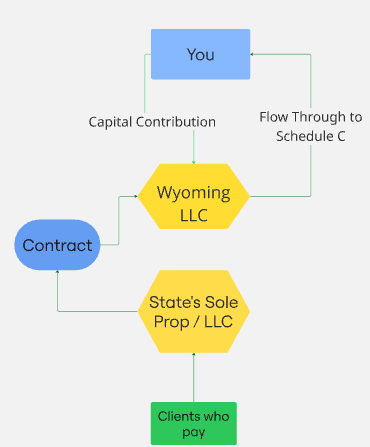
Sole Prop - Simply you

If you plan on testing the waters with a business idea then this is fine for you. No protection personally.

Limited Liability Company

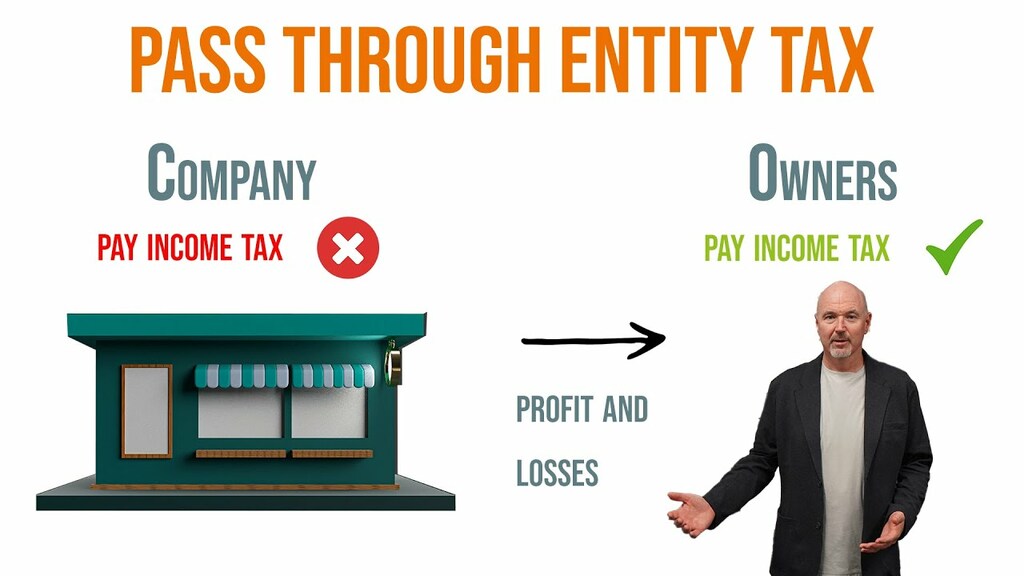
Offers limited liability protection to its owner(s) and allows pass through taxation by default.


Minimal upkeep required.

Corporation

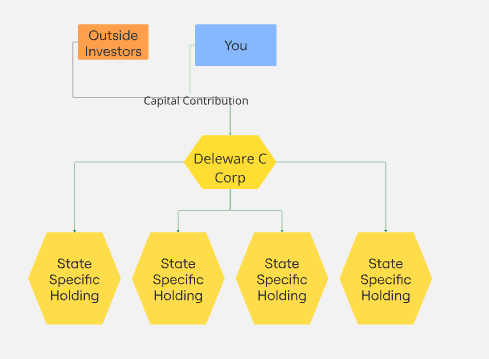
Separate legal entity from its owners. Typically called shareholders or members. Provides liability protection.


More administrative upkeep required.

Trusts

Structures involving a grantor, trustee, and beneficiary. Banks do not like these structures for operational businesses and tend to give a hard time when opening accounts.

DAO

New kid on the block. Uses a LLC formation at the State level, and smart contracts on the Blockchain for automation purposes.


Wyoming and Tennessee only currently.


More Info here.

Tax Structure

Disregarded

Default for single member LLC's. All income and deductions flow through to the owner's personal tax forms.


Typically, filed on personal Schedule C

Partnership

Typically income is also treated as disregarded for partnerships, but the amounts for income and deductions can be modified pro rata / per capita via the Operating Agreement.


Files a 1065 and sends a K-1 to owners with their portion to file on their corresponding tax form..

C/S Corporation

C- Corporations have a higher tax burden because not only is the company taxed, but also its shareholders are taxed on their distributions.

Forms: 1120 and K-1


S- Corporations allow pass through taxation to its owners avoiding distribution tax. There are specific rules that must be followed regarding S-Corps.

Forms: 1120-S and K-1

Locations to pay attention to

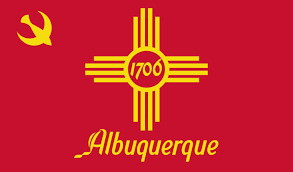
New Mexico

1. Limited Liability Protection.

2. Pass through taxation eligible

3. Simple reporting

4. Low Fees

5. Privacy - Members can be hidden.

6. Very E-commerce friendly

7. Easy formation

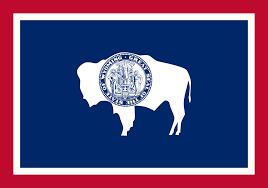
Wyoming

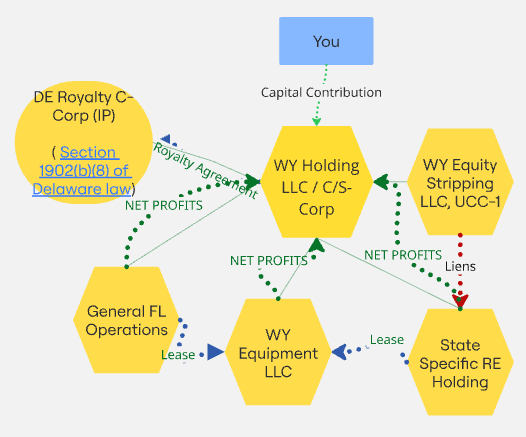
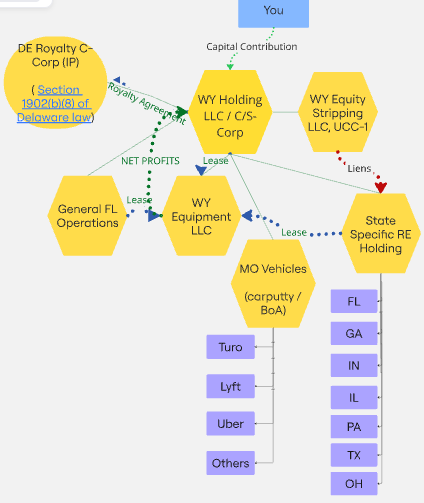
1. Strong asset laws

2. Can be Anonymous

3. Charging order protection

4. No state income tax for people, and companies, LLC included

5. Low formation costs

6. No residency Requirements

7. Can be perpetual

DELAWARE

1. Limited Liability protection

2. Has its own business courts (Deleware Court of Chancery)

3. Minimal or no taxes if the income is generated outside the State. No Sales Tax.

4. Easy Formation

5. Asset protection laws

6. Where VC firms like to see corporations formed when raising capital.

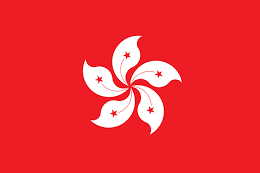
Hong Kong

For Individuals:

1. Territorial Source Principle: Hong Kong primarily taxes income earned within its borders. Income earned outside of Hong Kong by residents is generally not subject to salaries tax.

2. Low Salaries Tax Rates: Hong Kong has a progressive salaries tax system with a maximum rate of 15% on assessable income.

3. Tax Exemptions and Deductions: Various allowances and deductions are available, including those for basic needs, dependents, education, mandatory contributions, and charitable donations.

4. No Capital Gains Tax: Profits from the sale of investments or property are generally not taxed.

5. No Estate Tax: Estate duty was abolished in 2006.

6. No Social Security Tax: Social security taxes are not imposed in Hong Kong.


For Businesses:

1. Territorial Source Principle: Similar to individuals, businesses are generally only taxed on profits earned within Hong Kong. Offshore profits may be tax-exempt.

2. Two-Tier Profits Tax Rate: A two-tiered system applies, with lower rates for the first HK$2 million of profits (8.25% for corporations, 7.5% for unincorporated businesses) and higher rates thereafter (16.5% and 15% respectively).

3. Tax Incentives: Hong Kong offers incentives such as tax exemptions for funds and concessions for specific industries and activities like R&D, family-owned investment holding vehicles, and intellectual property.

4. No VAT or Sales Tax: Value-added tax or sales tax is not imposed.

5. No Withholding Tax: Generally, there is no withholding tax on dividends or interest for non-residents, though royalties may be subject to it.

6. Double Taxation Treaties: An extensive network of treaties helps prevent double taxation on income

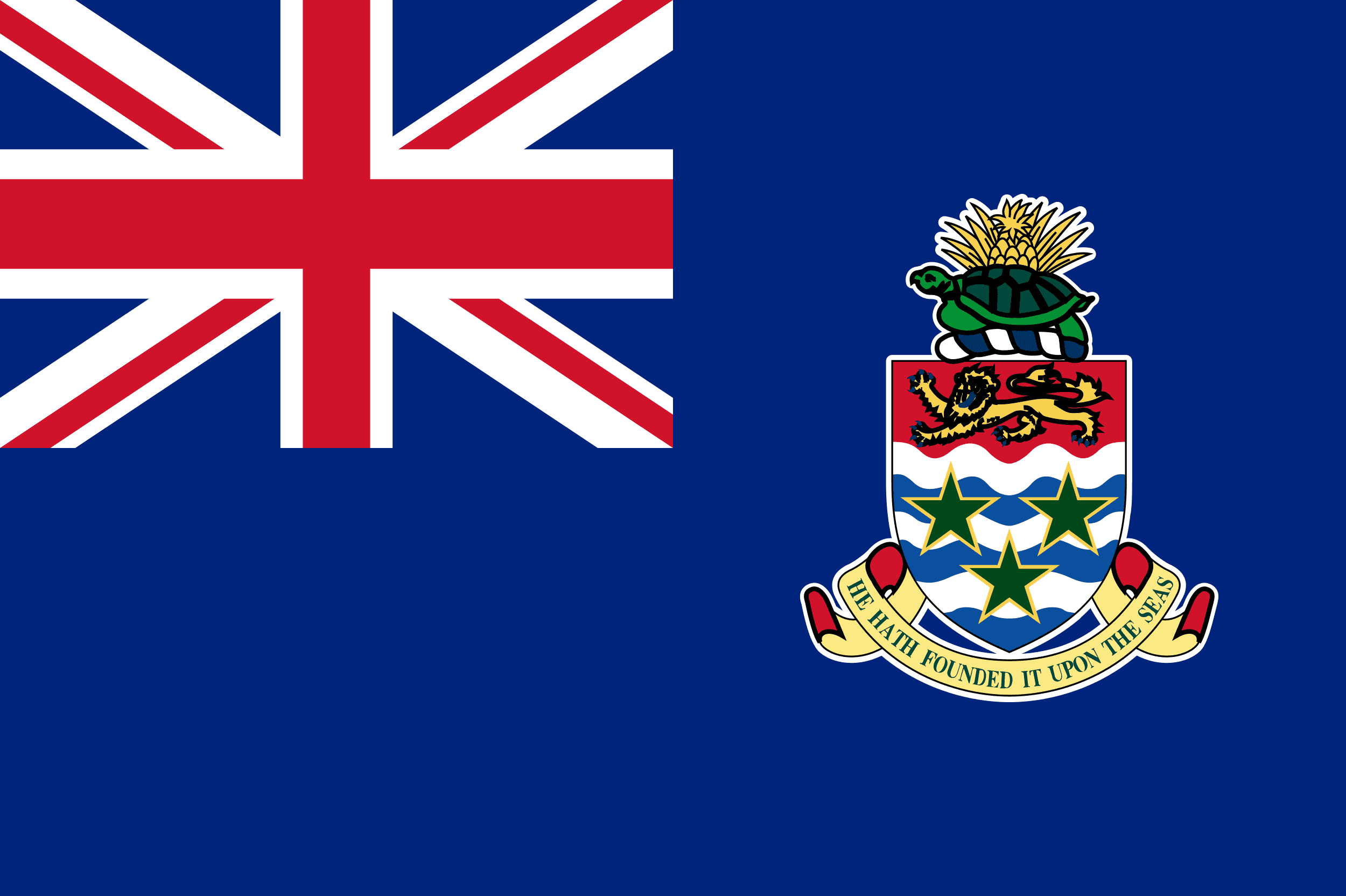
Cayman Islands

No direct taxation: The Cayman Islands do not impose a corporate tax, income tax, capital gains tax, inheritance tax, property tax, payroll tax, or withholding tax. This "tax-neutral" environment applies to residents and foreign entities alike.

FAQ

Its going to depend on how the State defines transacting business. Look at the respective statute for whatever state you plan to venture into. For Florida, it's: Fla. Stat 607.1501


Yes you can change your tax classification by filing a 8832 form with the IRS. Note, You can only change an entities classification 1 time every 5 years.


FORM 8832 LINK

For Florida, sunbiz.org is the web address to the Secretary of States website where you can file a new entity, handle your annual report, and perform other functions.

Legal mechanism that shields the other members of a LLC interest or other assets jeopardized because of a member of the business. The plaintiff is only entitled to the distributions that would be made to the individual. It's to help prevent the sudden appearance and booting of members due to reckless fiduciary-ship.

OTHER FREEBIES